The Truth About Haze on Ceramic Coatings: Causes and Solutions for Ceramic Coating Fort Myers
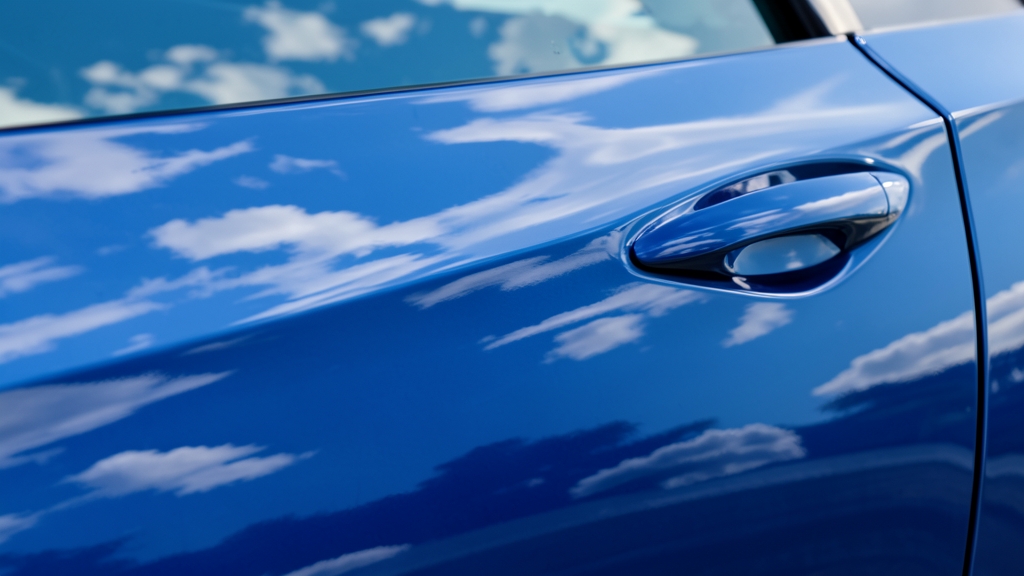
Haze on a fresh ceramic coating is frustrating—especially when you expect mirror-like gloss. In our humid, sun-drenched climate, even expert applications can develop a dull film if the process isn’t dialed in. We’ll break down the real causes and how we fix it for drivers across Fort Myers, Cape Coral, and Estero.
What Haze on a Ceramic Coating Actually Is
Haze isn’t a defect in the coating itself. It’s a surface phenomenon—usually a thin layer of residues or improperly adhered polymers that scatter light, killing clarity.
In SW Florida, high humidity and mineral-rich water accelerate this. The coating’s hydrophobic top layer can get masked by deposits before it fully cures.
Top Causes of Haze After Application
Oils, waxes, or polishing compounds left behind prevent the SiO2 from bonding tightly to the clear coat.
Premature exposure to water is another. Rain or even heavy dew within the first 12–24 hours can trap minerals in the curing matrix, creating a cloudy finish.
Low-quality products or incorrect layering also cause issues. Some DIY sprays lack the purity for true chemical bonding, leading to uneven haze over time.
Never apply ceramic coating over old sealants or waxes. A full paint correction and decontamination with a clay bar and IPA wipe are non-negotiable.
How SW Florida’s Climate Affects Curing
Our intense UV and 80–90% humidity can slow or distort the cross-linking process. The coating may skin over before the deeper layers set, trapping moisture underneath.
Salt air near Fort Myers Beach and Estero adds another layer of risk. Chlorides can etch the surface if not rinsed off before the coating cures.
Haze vs. Water Spots vs. Etching: Know the Difference
Haze is uniform and often temporary. Water spots are localized, usually from hard water minerals. Etching is permanent damage to the clear coat itself.
| Issue | Appearance | Cause | Fix |
|---|---|---|---|
| Haze | Dull, milky film across panels | Contamination, improper curing, humidity | Re-prep and reapply or use a light polishing compound |
| Water Spots | White or brown circular marks | Mineral deposits from hard water | Mineral remover or vinegar solution, then re-coat if needed |
| Etching | Pitted or rough patches | Bird droppings, bug splatter, industrial fallout | Paint correction followed by fresh ceramic coating |
| Blooming | White, chalky residue | Excess product or improper leveling | Buff with a microfiber towel and re-inspect |
Step-by-Step: How We Diagnose and Fix Haze
First, we inspect under multiple light angles. Haze often disappears when viewed straight-on but reappears in raking light.
Next, we test a small area with a pH-neutral cleaner and a fresh microfiber towel. If the haze lifts, it’s surface contamination. If not, the coating may need partial removal.
Preventing Haze Before It Starts
Control the environment. Indoor application with climate control is ideal, but for outdoor jobs in Fort Myers, we aim for early morning or late afternoon to avoid peak UV and humidity.
Use the right products. Professional-grade coatings with 80–90% SiO2 content cure more predictably than consumer sprays. We also pair them with a dedicated curing aid if conditions are less than perfect.
Pre-Application Haze Prevention Checklist
- Full wash and iron-removal decontamination
- Clay bar treatment to remove embedded contaminants
- IPA wipe-down to eliminate oils and polishing residues
- Apply in a shaded, dust-free area with <70% humidity
- Allow 24–48 hours before exposing to water or sunlight
When to Reapply vs. Correct
If haze is superficial, a light polish with a finishing compound (2000+ grit) can restore clarity without removing the entire coating. This is common for minor blooming.
For deeper issues—like improper bonding or severe contamination—we’ll strip the coating and restart. This protects the integrity of the paint and ensures longevity, especially critical for vehicles in Cape Coral or North Fort Myers where salt and sun are constant threats.
If you’re attempting a touch-up, always test a hidden area first. Some coatings harden differently and may require a dedicated remover.
Long-Term Care to Keep Haze Away
Maintenance washes with pH-neutral shampoo and a grit guard bucket prevent new contaminants from adhering. Avoid automatic car washes with harsh brushes or high-pH soaps.
For extra protection in areas like Lehigh Acres or Fort Myers Beach, we recommend a ceramic-boosting spray every 3–6 months. This refreshes the hydrophobic layer and fills minor gaps in the matrix.
How to Safely Remove Light Haze from a Ceramic Coating
If you notice a dull film within the first week, follow these steps to restore clarity without damaging the coating.
- 1Wash Thoroughly
Use a pH-neutral car shampoo and a microfiber wash mitt to remove surface dirt. Dry with a clean, plush towel.
- 2Inspect Under Light
Check the panel in direct sunlight or under a bright LED. If haze persists, proceed to the next step.
- 3Test a Small Area
Apply a few drops of isopropyl alcohol (70% or higher) to a microfiber towel and gently rub a small section. If haze lifts, it’s surface contamination.
- 4Use a Light Polish
If needed, apply a fine finishing polish (e.g., 3000-grit) by hand or with a dual-action polisher. Work in small sections and follow with a fresh coat of ceramic spray sealant.
- 5Reapply Protection
After correcting, apply a ceramic boosting spray to restore hydrophobicity and gloss. Allow 12 hours to cure.
Frequently Asked Questions
Can haze on a ceramic coating go away on its own?
Sometimes. If it’s caused by humidity or light surface residues, the coating may self-level as it fully cures over 7–14 days. But mineral deposits or improper prep won’t resolve without intervention.
Why does my ceramic coating look hazy after rain in Fort Myers?
Hard water in SW Florida leaves mineral deposits that can bond to the coating’s surface before it’s fully cured. Always rinse with filtered or distilled water after rain if the coating is fresh.
Is haze a sign that my Ceramic Coating Fort Myers application failed?
Not necessarily. Haze is often a curing or contamination issue, not a failure of the coating itself. A professional can usually correct it without a full reapplication.
Can I use a clay bar on a hazy ceramic coating?
Yes, but cautiously. A fine-grade clay bar with plenty of lubrication can remove surface contaminants. Avoid aggressive pressure, as the coating is harder than clear coat but can still be marred.
Does ceramic window tint or PPF get haze too?
Ceramic window tint can develop haze from improper installation or adhesive issues, but it’s less common. PPF is more prone to water spots but rarely hazes—its self-healing properties usually prevent surface dulling.
How do I know if my haze is from the coating or the paint underneath?
If the haze disappears when the panel is wet, it’s likely a surface issue with the coating. If it remains, the clear coat may need correction. A professional detailer can confirm with a paint thickness gauge.