5 Clear Signs Your Ceramic Coating Is Failing and How to Fix It in Ceramic Coating Fort Myers
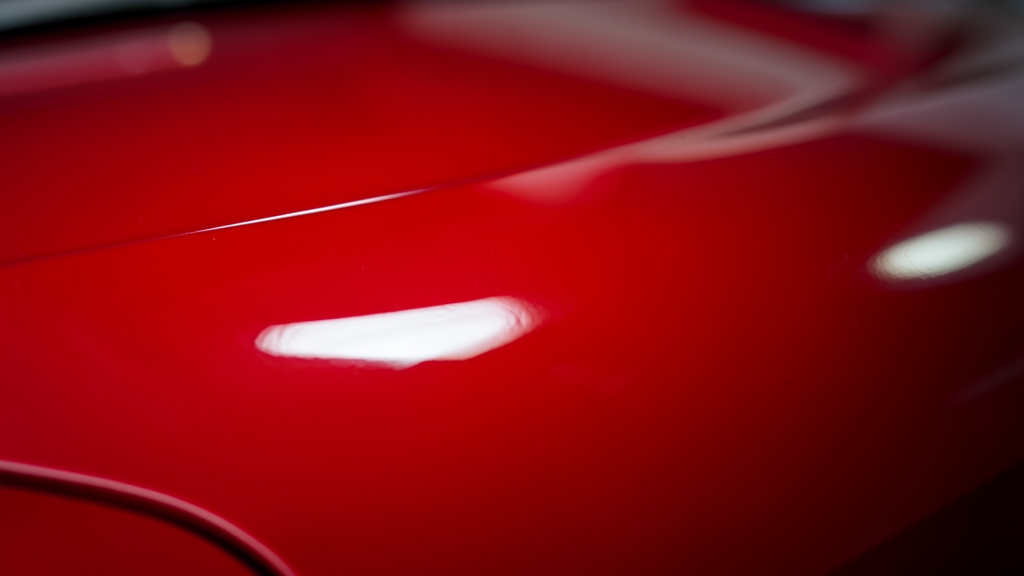
Ceramic coatings are built to last, but even the best applications break down under Fort Myers’ relentless sun, humidity, and salt air. If your car’s finish isn’t beading water like it used to or looks duller than it should, your coating may be failing. Here’s how to spot the red flags—and what to do before the damage spreads.
Why Ceramic Coatings Fail Faster in Southwest Florida
Our climate is a ceramic coating’s worst enemy. Intense UV exposure, high humidity, and airborne salt from the Gulf accelerate oxidation and break down the SiO2 matrix faster than in drier regions.
Even a 9H-rated coating can degrade prematurely if not maintained. Regular washing with pH-neutral soaps and avoiding automatic car washes with harsh brushes are non-negotiable here.
Never use wax or sealants over a ceramic coating. These products can leave residues that interfere with the coating’s hydrophobic layer and reduce longevity.
A healthy ceramic coating repels water in tight, round beads. If water flattens out or leaves streaks, the hydrophobic top layer is wearing thin.
Test it with a spray bottle. If droplets don’t roll off effortlessly, the coating’s self-cleaning ability is compromised—and contaminants will stick more easily.
Sign #2: Dull or Hazed Paint Finish
Ceramic coatings enhance gloss and depth. A sudden dullness or milky haze often means UV damage has penetrated the coating, oxidizing the clear coat beneath.
This is common on hoods and roofs, which take the most direct sunlight in Fort Myers. If left unchecked, it can require paint correction before reapplication.
Sign #3: Increased Water Spotting or Etching
Hard water spots or mineral deposits that won’t wash off signal the coating’s resistance to contaminants is fading. In our area, sprinkler water and Gulf mist are major culprits.
If spots etch into the paint, you’ll need paint correction to restore clarity before applying a fresh ceramic layer.
Use a dedicated water spot remover with a microfiber towel. For stubborn etching, a light polish may be needed—but avoid aggressive compounds on a failing coating.
Sign #4: Swirl Marks and Scratches Are More Visible
Ceramic coatings add a sacrificial layer that resists light scratches. If swirls from washing or daily driving become more noticeable, the coating’s thickness has likely diminished.
This is especially true for darker vehicles. A quick inspection under direct light will reveal fine scratches that a strong coating would normally hide.
Sign #5: Reduced Chemical Resistance
A failing coating struggles against bird droppings, bug splatter, or tree sap. If these contaminants bond to the paint and require heavy scrubbing, the coating’s chemical resistance is gone.
In Fort Myers, love bugs and palm tree sap are notorious for eating through weakened coatings. Immediate removal is critical to prevent permanent damage.
| Maintenance Level | Expected Lifespan | Key Factors |
|---|---|---|
| Basic (DIY Washes) | 1-2 years | Harsh soaps, no decontamination |
| Standard (Bi-Weekly Washes, pH-Neutral Soap) | 2-3 years | Regular washing, occasional decon |
| Premium (Monthly Decontamination, Proper Drying, Garage Kept) | 4-5+ years | UV protection, minimal exposure to salt air |
| Neglected (Automatic Car Washes, No Maintenance) | 6-12 months | Abrasive brushes, chemical strippers |
Can You Restore a Failing Ceramic Coating?
If the failure is minor (e.g., reduced hydrophobicity), a maintenance spray or ceramic boost can temporarily revive the coating’s performance. These products rejuvenate the top layer with fresh SiO2 polymers.
For severe degradation—etching, heavy swirls, or oxidation—you’ll need a full removal and reapplication. This often requires paint correction first to address underlying defects.
Pre-Reapplication Steps
- Inspect the paint for swirls, scratches, or oxidation
- Perform a thorough decontamination (clay bar, iron remover)
- Assess if paint correction is needed before coating
- Choose a high-quality ceramic coating suited for Florida’s climate
- Apply in a controlled, dust-free environment
When to Consider Alternatives Like PPF
If your vehicle sees heavy road debris (common on I-75 or rural roads near Lehigh Acres), Paint Protection Film may be a better long-term solution. PPF resists rock chips and self-heals minor scratches.
Many Fort Myers drivers combine PPF on high-impact areas (hood, bumper, mirrors) with ceramic coating on the rest of the vehicle for maximum protection. We also offer ceramic window tint and interior protection for full coverage.
How to Test Your Ceramic Coating’s Health
A simple at-home inspection can reveal whether your coating is still performing.
- 1Water Beading Test
Spray water on a clean, dry panel. Healthy coatings form tight, high beads. If water flattens or sheets, the coating is weak.
- 2Dirt Repellency Check
After a drive, check how easily dust or pollen wipes off. A strong coating should allow contaminants to rinse away with minimal effort.
- 3Gloss Inspection
Park under direct sunlight and examine the paint’s reflectivity. A failing coating will appear dull or hazy compared to a freshly coated area.
- 4Contaminant Resistance
Apply a small amount of bug splatter or bird droppings (if present). If it bonds quickly and resists removal, the coating’s chemical resistance is compromised.
- 5Tactile Smoothness
Run a clean microfiber cloth over the surface. A properly maintained coating should feel glass-smooth. Roughness indicates embedded contaminants or coating breakdown.
Frequently Asked Questions
How long does a ceramic coating last in Fort Myers?
With proper maintenance, a professional-grade ceramic coating typically lasts 3–5 years in our climate. Poor care or constant exposure to salt air and UV can cut that lifespan in half. Request a quote to discuss options tailored to your driving habits.
Can I apply a new ceramic coating over a failing one?
No. A fresh coating won’t bond properly to a degraded layer. The old coating must be fully removed via polishing or a dedicated coating remover before reapplication. Skipping this step risks poor adhesion and shortened lifespan.
What’s the difference between ceramic coating and wax in Fort Myers’ climate?
Wax offers temporary gloss and protection (weeks to months) but melts under our sun and washes away quickly. Ceramic coatings provide years of UV resistance, chemical protection, and hydrophobic properties—critical for Fort Myers’ harsh conditions.
Does ceramic coating prevent rock chips in Ceramic Coating Fort Myers?
Ceramic coatings add hardness and scratch resistance but won’t stop rock chips. For areas like Cape Coral or Estero with heavy construction, we recommend pairing ceramic coating with Paint Protection Film on high-impact zones.
How do I maintain my ceramic coating in Florida’s humidity?
Wash your vehicle bi-weekly with pH-neutral soap, use a microfiber wash mitt, and dry with a clean towel to prevent water spotting. Apply a ceramic maintenance spray every 3–6 months, and avoid parking under trees to limit sap and bird droppings.
Is ceramic coating worth it for Fort Myers Beach vehicles?
Absolutely. Salt air accelerates paint damage, and ceramic coatings provide a critical barrier. For beachgoers, we also recommend ceramic window tint to protect interiors from UV fading and wheel ceramic coating to resist brake dust and salt corrosion.