How to Prevent Water Spots After Ceramic Coating Application in Ceramic Coating Fort Myers
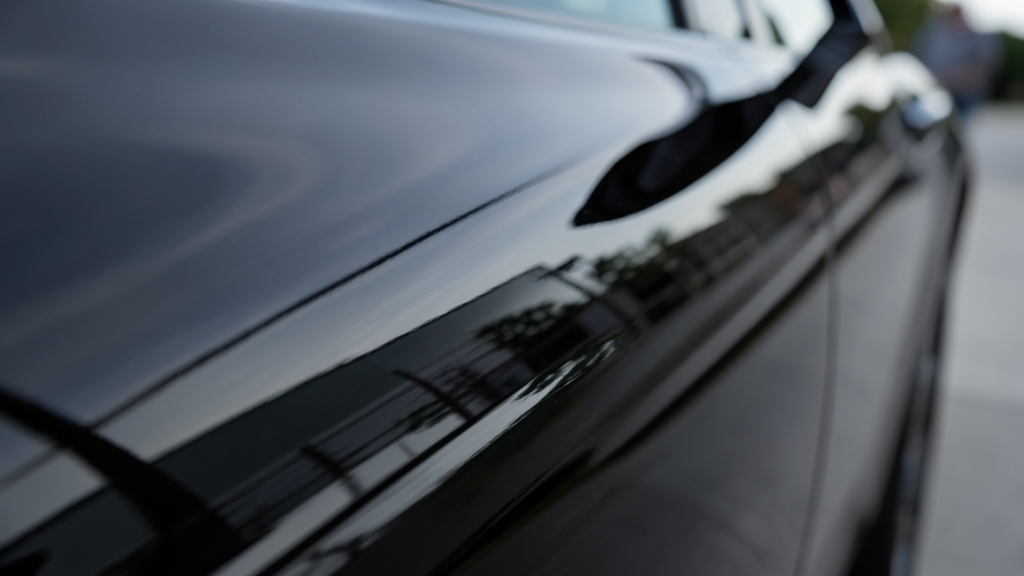
Water spots can mar the gloss of a freshly applied ceramic coating, especially in Fort Myers’ hard water and high humidity. We’ll show you how to prevent them with professional techniques and post-application care. Proper preparation and maintenance keep your coating spotless and long-lasting.
Why Water Spots Form on Ceramic Coated Surfaces
Hard water in Fort Myers contains high mineral content—calcium, magnesium, and lime—that bonds to surfaces as water evaporates. Even hydrophobic coatings can’t repel these deposits if water sits too long.
Fresh ceramic coatings are especially vulnerable during the curing phase, when contaminants adhere more easily. Humidity accelerates this process, making timely drying critical.
Pre-Application Steps to Minimize Water Spot Risk
Start with thorough paint correction and polishing. Swirl marks and imperfections trap minerals, increasing spot formation. A smooth surface ensures better coating adhesion and water behavior.
Use a deionized water final rinse before coating application. This removes mineral-laden tap water, reducing the chance of immediate contamination.
Always perform paint correction in a controlled environment. Dust and pollen in Fort Myers can settle during the process, compromising results.
Curing Phase: The Most Critical Window
Ceramic coatings begin curing within 24–48 hours but reach full hardness in 7–14 days. During this time, avoid exposure to rain, sprinklers, or hand washing with tap water.
Park your vehicle indoors or under a covered area in Fort Myers to prevent unexpected showers from depositing minerals. Even morning dew can leave etches if not addressed promptly.
Post-Application Washing: Techniques to Avoid Spots
Use the two-bucket method with grit guards to prevent recontamination. Fill one bucket with pH-neutral car soap and the other with clean water for rinsing your mitt.
Rinse with a spot-free water system or deionized water. Fort Myers tap water will reintroduce minerals, defeating the purpose of your coating.
Drying Methods That Preserve Your Coating’s Integrity
Pat dry with high-quality microfiber towels instead of air drying. Letting water evaporate naturally increases the risk of mineral deposits bonding to the surface.
For large vehicles or fleets in areas like Cape Coral or North Fort Myers, consider a blower like the Metro Vac Master Blaster. It removes water from crevices without touching the paint.
Never use a chamois or old cotton towels. These can introduce swirls and fail to absorb water effectively, leading to spots.
Maintenance Washes: Long-Term Water Spot Prevention
Wash your vehicle every 1–2 weeks using pH-neutral soap. Harsh detergents strip ceramic coatings of their hydrophobic properties over time, making them more susceptible to spots.
Apply a ceramic boost spray after washes to refresh hydrophobicity. This is especially useful in Estero or Fort Myers Beach, where salt air can degrade coating performance faster.
Ceramic Coating vs. Paint Protection Film for Water Spot Resistance
Both ceramic coatings and PPF offer protection, but they handle water spots differently. Coatings rely on hydrophobicity to shed water, while PPF provides a physical barrier that resists etching.
For vehicles in high-mineral areas like Lehigh Acres, combining both—a ceramic coating over PPF—provides strong defense against spots and contamination.
| Feature | Ceramic Coating | Paint Protection Film (PPF) |
|---|---|---|
| Water Spot Resistance | High (hydrophobic) | Very High (physical barrier) |
| Etch Resistance | Moderate | High |
| Maintenance | Regular washing required | Easier to clean, self-healing options |
| Longevity | 2–5 years | 5–10+ years |
| Cost Factors | Varies by layers, prep work | Varies by coverage, material quality |
When to Seek Professional Help for Stubborn Spots
If water spots have already etched into your ceramic coating, professional paint correction may be needed. Light spots can often be removed with a mild polishing compound, but deep etches require machine correction.
For fleet or commercial vehicles in Fort Myers, our team offers mobile detailing services to address spots before they become permanent. Request a quote to assess a suitable solution.
Signs You Need Professional Spot Removal
- Spots are visible in direct sunlight
- Spots feel rough to the touch
- DIY methods (vinegar, detailer spray) fail to remove them
How to Remove Light Water Spots from a Ceramic Coated Vehicle
Act quickly to prevent etching, and always test in an inconspicuous area first.
- 1Rinse Thoroughly
Use deionized water to rinse the affected area. Avoid tap water, as it can introduce more minerals.
- 2Apply a Water Spot Remover
Use a dedicated automotive water spot remover or a 50/50 mix of white vinegar and distilled water. Spray lightly on the spots.
- 3Agitate Gently
Use a microfiber applicator pad to gently work the solution into the spots. Avoid excessive pressure to prevent marring.
- 4Rinse and Inspect
Rinse with deionized water and dry with a clean microfiber towel. Check under lighting to ensure spots are fully removed.
- 5Reapply Ceramic Boost (If Needed)
If the coating’s hydrophobicity seems reduced, apply a ceramic boost spray to restore protection.
Frequently Asked Questions
Can ceramic coating prevent all water spots in Fort Myers?
No ceramic coating is 100% water spot-proof, especially in hard water areas. However, a properly applied coating significantly reduces their formation and makes removal easier. Regular maintenance is key.
How often should I wash my car after ceramic coating to avoid water spots?
Wash every 1–2 weeks using pH-neutral soap and deionized water. In Fort Myers’ humid climate, more frequent rinses (without soap) can help after heavy rain or sprinkler exposure.
Is it safe to use a pressure washer on a ceramic coated car?
Yes, but keep the nozzle at least 12–18 inches away and use a 40-degree tip to avoid damaging the coating. Always pre-rinse with a foam cannon to loosen contaminants gently.
What’s the difference between water spots and etch marks on ceramic coating?
Water spots are mineral deposits on the surface, while etch marks are permanent damage caused by acidic contaminants (like bird droppings) eating into the clear coat. Spots can often be removed; etches require correction.
Does ceramic window tint help with water spots on glass?
Yes, ceramic window tint repels water and reduces mineral buildup on glass, just like paint coatings do. It’s a great addition for vehicles in Cape Coral or Fort Myers Beach, where salt spray is common.
Can I apply ceramic coating over existing water spots?
No. Water spots must be removed through paint correction before applying a ceramic coating. Coating over spots will lock them in, making them permanent and harder to fix later.