Expert Tips to Store Your Car and Preserve Your Ceramic Coating in Fort Myers in Ceramic Coating Fort Myers, FL
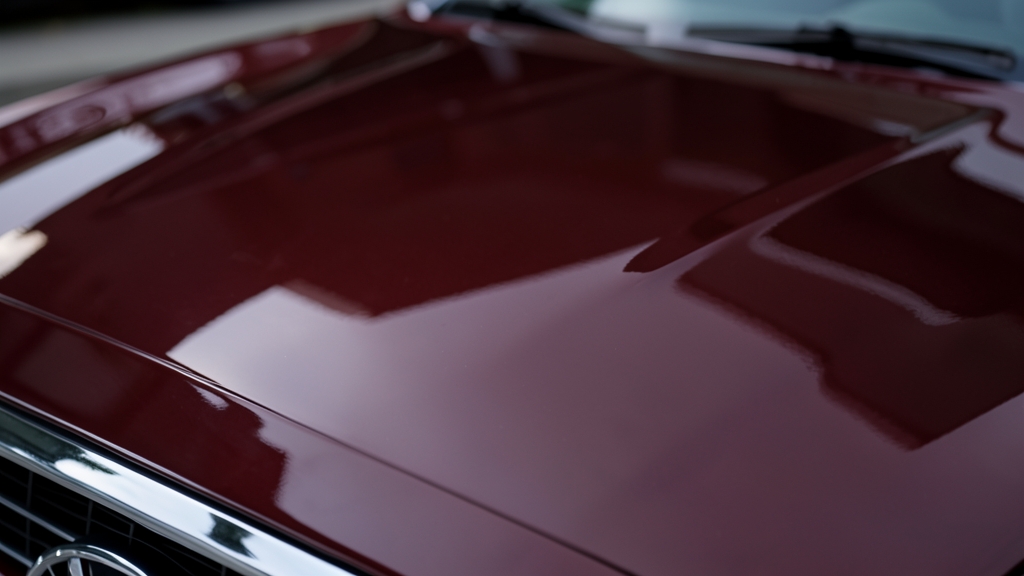
Fort Myers’ heat, humidity, and salt air can take a toll on any vehicle—even one protected by a premium ceramic coating. Proper storage isn’t just about keeping your car clean; it’s about preserving the coating’s hydrophobic properties, gloss, and durability. We’ll show you how to do it right, so your investment lasts longer under our harsh Florida conditions.
Why Storage Matters for Ceramic-Coated Cars in Southwest Florida
Ceramic coatings create a semi-permanent bond with your paint, but they’re not invincible. Prolonged exposure to UV rays, salt air, and high humidity—common in Fort Myers, Cape Coral, and Estero—accelerates degradation. Even high-quality coatings break down faster without proper care.
Storing your car correctly slows oxidation, prevents water spots, and maintains that mirror-like finish. It’s especially critical during hurricane season or when you’re away for long stretches in Lehigh Acres or Fort Myers Beach.
Pre-Storage Prep: The Critical First Step
Never store a dirty car. Contaminants like road grime, bird droppings, or tree sap can etch into the coating over time. Start with a thorough wash using pH-neutral soap and a microfiber wash mitt to avoid swirl marks.
Next, perform a full decontamination. Use a clay bar to remove embedded particles, then inspect for any imperfections. If you spot swirls or light scratches, a light paint correction may be needed before storage to prevent them from worsening.
Pre-Storage Cleaning Checklist
- Wash with pH-neutral automotive soap
- Clay bar decontamination
- Inspect for swirls, scratches, or water spots
- Dry with a clean microfiber towel (no air drying)
- Apply a ceramic coating maintenance spray (if recommended by your installer)
Indoor vs. Outdoor Storage: What’s Best for Your Coating?
Indoor storage is ideal. A garage in North Fort Myers or a climate-controlled unit shields your car from UV rays, salt air, and sudden temperature swings—all of which degrade ceramic coatings over time.
If indoor storage isn’t an option, a high-quality, breathable car cover is a must. Avoid non-breathable covers; they trap moisture, leading to mold and mildew, which can damage both paint and coating.
| Storage Type | Pros | Cons |
|---|---|---|
| Indoor (Garage/Climate-Controlled) | Max UV/salt protection; stable temp/humidity; extends coating life | Limited availability; may require ventilation |
| Outdoor (Car Cover) | Portable; affordable; protects from direct sun/rain | Less UV/salt protection; risk of moisture buildup |
| Outdoor (No Cover) | Convenient; no setup | Exposes coating to UV, salt, pollen, and humidity |
Climate Control: The Hidden Threat to Your Coating
Fort Myers’ humidity and heat are relentless. High moisture levels can cause water spots to etch into the coating if not addressed. Even in a garage, poor ventilation traps humidity, leading to condensation on the paint.
Use a dehumidifier in your storage space to keep humidity below 60%. If storing in a non-climate-controlled unit in Estero or Lehigh Acres, moisture absorbers like silica gel packs can help.
Never store your car with wet or damp surfaces. Even a thin layer of moisture can lead to water spots that, over time, compromise the coating’s integrity.
Long-Term Storage: Extra Steps for Maximum Protection
Planning to store your car for months? In addition to cleaning and climate control, consider a fresh layer of ceramic coating maintenance spray. This boosts hydrophobic properties and adds a sacrificial layer of protection.
For vehicles in Cape Coral or Fort Myers Beach, where salt air is a constant threat, a paint protection film (PPF) on high-impact areas (hood, fenders, bumper) adds an extra shield. PPF and ceramic coatings work synergistically to extend longevity.
For commercial or fleet vehicles, rotate storage locations to minimize prolonged exposure to the same environmental stressors. This is especially useful in areas like North Fort Myers, where industrial pollutants can accelerate coating wear.
What to Avoid When Storing a Ceramic-Coated Car
Avoid plastic tarps or non-breathable covers. They trap moisture, leading to mold and mildew, which can stain or degrade the coating. Stick to breathable, fitted covers designed for automotive use.
Never use household cleaners or abrasive polishes before storage. These can strip the coating’s top layer, reducing its effectiveness. Only use products approved for ceramic-coated surfaces.
Post-Storage Care: Reviving Your Coating
After storage, inspect your car for any signs of contamination or damage. A light wash with pH-neutral soap and a maintenance spray will restore the coating’s hydrophobic properties.
If you notice water spots or dullness, a professional detailer can perform a light paint correction and reapply a ceramic coating booster. This is common for cars stored in high-humidity areas like Fort Myers Beach or Estero.
How to Prepare Your Ceramic-Coated Car for Storage
Follow these steps to ensure your coating stays in peak condition during storage.
- 1Wash Thoroughly
Use a pH-neutral automotive soap and a microfiber wash mitt to remove all dirt and grime. Rinse with the two-bucket method to avoid swirl marks.
- 2Decontaminate the Surface
Use a clay bar with lubricant to remove embedded contaminants. This step is critical to prevent etching during storage.
- 3Dry Completely
Use a clean microfiber towel to dry the car. Avoid air drying, as it can leave water spots that harm the coating over time.
- 4Inspect for Imperfections
Check for swirls, scratches, or water spots. If found, address them with a light paint correction before storage.
- 5Apply Maintenance Spray (Optional)
Use a ceramic coating maintenance spray to refresh hydrophobic properties. This adds a sacrificial layer of protection.
- 6Choose the Right Storage
Store indoors in a climate-controlled space if possible. If outdoors, use a breathable car cover and moisture absorbers.
Frequently Asked Questions
How often should I wash my ceramic-coated car in Fort Myers to maintain the coating?
In our climate, we recommend washing every 2-4 weeks with pH-neutral soap. Salt air and pollen are constant threats, and regular cleaning prevents contaminants from bonding to the coating.
Can I store my ceramic-coated car outside in Fort Myers without a cover?
It’s not ideal. Without a cover, your car is exposed to UV rays, salt air, and humidity—all of which accelerate coating degradation. If you must store outdoors, use a high-quality, breathable cover.
Does ceramic coating eliminate the need for paint protection film (PPF)?
No. Ceramic coatings add a layer of chemical protection, but PPF provides physical protection against rock chips, scratches, and bugs. For maximum defense, many of our clients in Cape Coral and Estero use both.
What’s a way to remove water spots from a ceramic-coated car after storage?
Use a ceramic-safe water spot remover or a light polishing compound. For stubborn spots, a professional detailer can perform a safe paint correction without damaging the coating.
How does Fort Myers’ climate affect ceramic coating longevity?
Our heat, humidity, and salt air are tough on coatings. Without proper care, a coating that might last 5 years in a milder climate could degrade in 2-3 years here. Proper storage and maintenance are key to extending its life.
Should I reapply ceramic coating after long-term storage?
Not necessarily. If the coating was properly maintained before storage, a maintenance spray or booster may be enough. However, if the coating shows signs of wear (reduced hydrophobicity, dullness), a professional inspection is recommended.