Ceramic Coating Fort Myers: What to Expect After 2, 5, and 10 Years of Protection
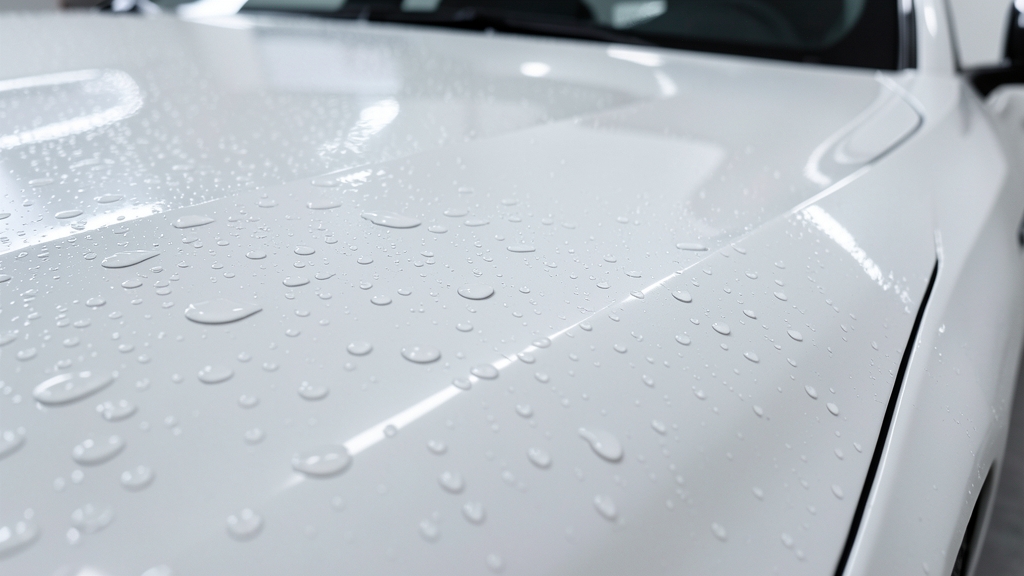
Ceramic coatings don’t last forever, but in Fort Myers’ harsh sun and salt air, they outperform wax or sealants by years. We break down real-world performance at the 2-, 5-, and 10-year marks so you know exactly what to expect from your investment. No hype—just what our team sees on local vehicles daily.
Why Ceramic Coating Longevity Matters in Southwest Florida
Our climate is brutal on paint: intense UV, high humidity, and salt air accelerate oxidation and fading. A quality ceramic coating acts as a sacrificial layer, shielding clear coat from these elements far longer than traditional products.
Unlike wax that degrades in weeks, a properly applied ceramic coating bonds with the paint at a molecular level. This means years of hydrophobic protection, easier cleaning, and resistance to water spots—critical near Fort Myers Beach or Cape Coral marinas.
Salt air and UV are the top two enemies of automotive paint in our area. Ceramic coatings slow both significantly, but regular washing remains essential.
The First 2 Years: Peak Performance and Hydrophobic Brilliance
For the first two years, your coating is at its strongest. Water beads aggressively, dirt rinses off with minimal effort, and the 9H hardness rating resists light scratches from car washes or road debris.
Gloss and depth of color stay vibrant, even under Fort Myers’ relentless sun. This is when owners notice the biggest difference compared to uncoated vehicles parked next to them in Estero or Lehigh Acres.
Years 3 to 5: Gradual Decline and Maintenance Needs
By year three, hydrophobic properties start to weaken slightly. Water still beads, but not as dramatically. This is normal—ceramic coatings don’t fail overnight, they degrade gradually.
Swirl marks from improper washing may become more visible. Regular maintenance washes with pH-neutral soaps and annual inspections help extend life. Many North Fort Myers drivers add a fresh top-up layer here to restore performance.
Avoid automatic car washes with harsh brushes. Even a 9H coating can’t stop deep swirls from abrasive cleaning methods.
Years 6 to 10: The Long Game and When to Reapply
At the 5- to 10-year mark, the coating’s UV and chemical resistance are noticeably reduced. Paint may show more oxidation, especially on horizontal surfaces like hoods and roofs exposed to constant sun.
This doesn’t mean the coating has failed—it’s still protecting better than no coating at all. However, for full protection, we recommend a fresh application. Many fleet vehicles in Fort Myers get recoated at this stage.
Ceramic Coating vs. Paint Protection Film: A Longevity Comparison
Both ceramic coatings and PPF protect paint, but they serve different purposes. Ceramic coatings enhance gloss and repel contaminants, while PPF physically absorbs impacts from rocks or debris.
PPF typically lasts 5–10 years but can yellow over time in our climate. Ceramic coatings don’t yellow but require more frequent reapplication for optimal performance. Many local drivers combine both for ultimate protection.
| Feature | Ceramic Coating | Paint Protection Film (PPF) |
|---|---|---|
| Longevity | 2–5 years (peak), up to 10 years (reduced) | 5–10 years |
| UV Resistance | High (prevents fading) | High (but may yellow) |
| Scratch Resistance | Light scratches only | Heavy impact protection |
| Hydrophobic Properties | Strong (fades over time) | Moderate |
| Maintenance | Low (wash & inspect) | Low (but may need edge sealing) |
| Gloss Enhancement | High (deep shine) | Moderate (matte/satin options) |
Factors That Affect Your Ceramic Coating’s Lifespan
Not all coatings last the same. Professional-grade products with higher SiO2 concentrations (80%+) outlast consumer sprays. Our team uses only premium formulas tested in Florida’s extreme conditions.
Application matters just as much as the product. Poor prep—like skipping paint correction—leads to premature failure. Proper surface decontamination and polishing ensure the coating bonds correctly from day one.
Maximize Your Coating’s Life
- Wash weekly with pH-neutral soap to remove salt and contaminants
- Avoid automatic car washes with abrasive brushes or harsh chemicals
- Park in garages or under shade to minimize UV exposure
- Reapply a top-up layer every 2–3 years for renewed hydrophobicity
- Inspect annually for water spot etching or coating degradation
Real-World Results: What Fort Myers Drivers See Over Time
In Cape Coral, vehicles near the water often show salt etching on uncoated paint within a year. Coated cars resist this far longer, though rinsing after beach trips adds years to the finish.
In Estero, where dust and pollen are constant, coated cars stay cleaner between washes. The slick surface prevents contaminants from bonding, making maintenance a breeze even during dry season.
When to Consider Recoating or Additional Protection
If water no longer beads and sheets off, or if the paint feels rough to the touch, it’s time for a reapplication. This is common after 5–7 years, depending on exposure and upkeep.
For high-value or daily-driven vehicles, pairing ceramic coating with PPF on high-impact areas (front bumper, hood) combines the benefits of both. We see this often on luxury or commercial fleets in North Fort Myers.
How to Inspect Your Ceramic Coating’s Condition
A quick at-home check can reveal whether your coating is still performing or needs attention.
- 1Water Bead Test
Spray water on a clean, dry panel. If it beads tightly and rolls off, your coating is active. If it sheets or sits flat, it’s time for maintenance.
- 2Finger Glide Test
Run a clean finger across the surface. A smooth, slick feel indicates the coating is intact. Roughness suggests contamination or degradation.
- 3Dirt Accumulation Check
After a drive, observe how much dirt sticks. Coated surfaces should rinse clean more easily than uncoated areas.
- 4Visual Inspection for Swirls
Under direct sunlight, look for fine scratches. If they’re more visible than before, the coating’s scratch resistance may be fading.
- 5Check High-Exposure Areas
Inspect the hood, roof, and front bumper first—these take the most UV and environmental abuse in Fort Myers.
Frequently Asked Questions
How often should I reapply ceramic coating in Fort Myers?
For most drivers, a full reapplication every 5 years maintains strong protection. However, if you park outside daily or drive near the coast, consider a top-up layer every 2–3 years to combat salt and UV exposure.
Does ceramic coating prevent all scratches and chips?
No. Ceramic coatings resist light scratches and swirls but won’t stop rock chips or deep scratches. For that, Paint Protection Film (PPF) is the better choice, especially on high-impact areas.
Can I apply ceramic coating over existing paint defects?
We always recommend paint correction first. Applying coating over swirls or oxidation locks in those flaws. Proper polishing ensures a flawless finish that the coating can enhance and protect.
Is ceramic coating worth it for older cars in Fort Myers?
Absolutely. Older vehicles benefit from the UV and oxidation protection, which can preserve resale value. Just ensure the paint is in good condition before application—our team can assess this during a consultation.
What’s the difference between a 1-year and 10-year ceramic coating?
The difference lies in the product’s SiO2 concentration, resin quality, and application layers. Higher-end coatings use denser formulas and multiple layers for longevity. However, even a 10-year coating won’t last that long without proper maintenance in our climate.
Do I still need to wax my car after ceramic coating?
No. Wax can actually reduce the coating’s hydrophobic properties. Stick to pH-neutral washes and, if needed, a ceramic-boosting spray to refresh hydrophobicity between professional replications.